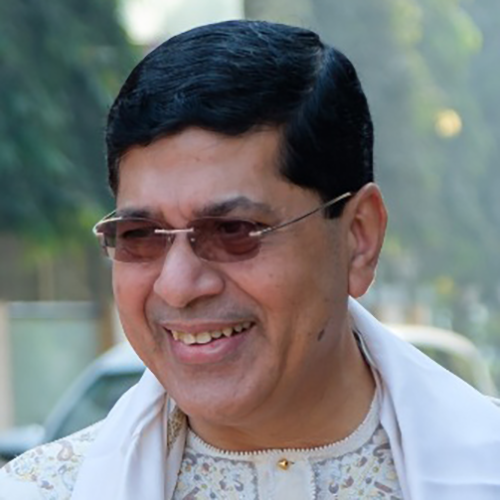
This talk introduces Kāla Sarpa Yoga / Kāla Amṛta Yoga, explaining how the nodal axis (Rāhu–Ketu) can create intense life patterns depending on where the configuration falls in the chart (especially which house/lagna it influences) and how it mixes with benefic or malefic factors. It emphasizes that these yogas are not “one-size-fits-all”—their severity and outcomes vary by chart structure, and the correct assessment must distinguish them from related conditions (including eclipse-type influences). Paramguru Sanjay Rath then outlines a remedial framework centered on appropriate deity-worship and tradition-specific practices (e.g., forms of Vināyaka/Gaṇeśa and Caṇḍī/Durgā), noting that serious cases may require qualified guidance rather than casual, DIY remedies.
[00:00] Opening invocation [00:34] Definition of Kāla Sarpa yoga: all grahas hemmed between Rāhu and Ketu [01:04] Kāla Sarpa vs Kāla Amṛta yoga [01:50] Distinguishing it from grahaṇa (eclipse) yoga [02:35] Kāla Amṛta yoga [03:18] Principles for Kāla Sarpa and Kāla Amṛta [03:27] Deities: Caṇḍī (form of Durgā) and Vināyaka (form of Gaṇeśa) [03:59] Which house the yoga starts and ends in; ending in lagna [04:31] Remedies and the need for qualified guidance [05:15] Kāla Amṛta: where it ends [05:36] Gaṇeśa worship; Nārada Muni’s stotra [06:08] Names of Gaṇeśa: Lambodara, Vikaṭa, Dhūmravarṇa, Gajapati [06:51] Protection through the remedy [07:15] Devatā of the houses involved; link to mālikā yogaPJC Year-4
Viśvanāth Batch

काशीक्षेत्रं निवासश्च जान्हवी चरणोदकम्
गुरुविश्वेश्वरः साक्षात् तारकं ब्रह्मनिश्चितं
kāśīkṣetraṁ nivāsaśca jānhavī caraṇodakam, guruviśveśvaraḥ sākṣāt tārakaṁ brahmaniścitaṁ
kāśīkṣetraṁ nivāsaśca jānhavī caraṇodakam, guruviśveśvaraḥ sākṣāt tārakaṁ brahmaniścitaṁ