 athātaḥ saṁpravakṣyāmi dhanayogaṁ viśeṣataḥ |
yasmin yoge samutpanno niścito dhanavān bhavet || 1 ||
Now I shall explain the special combinations for wealth.
One born with these yogas will certainly become wealthy.
pañcame bhṛgukṣetre tasmin śukreṇa saṁyute |
lābhe bhaumena saṁyukte bahudravyasya nāyakaḥ || 2 ||
If the fifth house is a sign of Venus, Venus occupies it,
and Mars occupies the eleventh house, the native will possess great wealth.
pañcame tu budhakṣetre tasmin budhayute sati |
candre bhaume gurau lābhe bahudravyasya nāyakaḥ || 3 ||
If the fifth house is a sign of Mercury, Mercury occupies it,
and the Moon, Mars, and Jupiter occupy the eleventh house, the native will possess great wealth.
pañcame ca ravikṣetre tasmin raviyute sati |
lābhe śanīndujīvāḍhye bahudravyasya nāyakaḥ || 4 ||
If the fifth house is the sign of the Sun, the Sun occupies it,
and Saturn, the Moon, and Jupiter occupy the eleventh house, the native will possess great wealth.
pañcame tu śanikṣetre tasmin śaniyute sati |
lābhe ravīndusaṁyukte bahudravyasya nāyakaḥ || 5 ||
If the fifth house is a sign of Saturn, Saturn occupies it,
and the Sun and Moon occupy the eleventh house, the native will possess great wealth.
pañcame tu gurukṣetre tasmin guruyute sati |
lābhe candrasute jāto bahudravyasya nāyakaḥ || 6 ||
If the fifth house is a sign of Jupiter, Jupiter occupies it,
and Mercury occupies the eleventh house, the native will possess great wealth.
pañcame tu kujakṣetre tasmin kujayute sati |
lābhasthe bhṛguputre tu bahudravyasya nāyakaḥ || 7 ||
If the fifth house is a sign of Mars, Mars occupies it,
and Venus occupies the eleventh house, the native will possess great wealth.
pañcame tu śaśikṣetre tasmin śaśiyute sati |
śanau lābhast(h)ite jāto bahudravyasya nāyakaḥ || 8 ||
If the fifth house is the sign of the Moon, the Moon occupies it,
and Saturn occupies the eleventh house, the native will possess great wealth.
bhānukṣetragate lagne tasmin bhānuyute punaḥ |
bhaumena guruṇā yukte dṛṣṭe jāto yuto dhanaiḥ || 9 || [Navamī]
If the Ascendant is in the sign of the Sun (Leo), the Sun occupies the Ascendant,
and Mars and Jupiter conjoin or aspect it, the native will be endowed with wealth.
candrakṣetragate lagne tasmin candrayute sati |
budhena guruṇā yukte dṛṣṭe jāto dhanī bhavet || 10 || [Daśamī]
If the Ascendant is in the sign of the Moon (Cancer), the Moon occupies the Ascendant,
and Mercury and Jupiter conjoin or aspect it, the native will become wealthy.
bhaumakṣetre gate lagne tasmin bhaumena saṁyute |
saumyaśukrārkajair yukte dṛṣṭe śrīmān naro bhavet || 11 || [Ekādaśī]
If the Ascendant is in a sign of Mars (Aries or Scorpio), Mars occupies the Ascendant,
and Mercury, Venus, and Saturn conjoin or aspect it, the native will become wealthy.
budhakṣetragate lagne tasmin budhayute sati |
śanijīvayute dṛṣṭe jāto dhanayuto bhavet || 12 || [Dvādaśī]
If the Ascendant is in a sign of Mercury (Gemini or Virgo), Mercury occupies the Ascendant,
and Saturn and Jupiter conjoin or aspect it, the native will become wealthy.
gurukṣetragate lagne tasmin guruyute sati |
budhabhaumayute dṛṣṭe jāyate dhanavān naraḥ || 13 || [Trayodaśī]
If the Ascendant is in a sign of Jupiter (Sagittarius or Pisces), Jupiter occupies the Ascendant,
and Mercury and Mars conjoin or aspect it, the native will become wealthy.
bhṛgukṣetragate lagne tasmin bhṛguyute sati |
śanisaumyayute dṛṣṭe yo jātaḥ sa dhanī bhavet || 14 || [Caturdaśī]
If the Ascendant is in a sign of Venus (Taurus or Libra), Venus occupies the Ascendant,
and Saturn and Mercury conjoin or aspect it, the native will become wealthy.
śanikṣetragate lagne tasmin śaniyute sati |
bhaumena guruṇā yukte dṛṣṭe jāto dhanair yutaḥ || 15 || [Pūrṇimā]
If the Ascendant is in a sign of Saturn (Capricorn or Aquarius), Saturn occupies the Ascendant,
and Mars and Jupiter conjoin or aspect it, the native will be endowed with wealth.
dhanadau dharmadhīnāthau ye vā tābhyāṁ yutā grahāḥ |
te ‘pi svasvadaśākāle dhanadā nātra saṁśayaḥ || 16 ||
The lords of the ninth and fifth houses bestow wealth, as do planets conjoined with them. These planets give wealth during their respective daśā periods. There is no doubt about this.
grahāṇām uktayogeṣu krūrasaumyavibhāgataḥ |
balābalavivekena phalam ūhyaṁ vicakṣaṇaiḥ || 17 ||
The wise should determine the results of the planetary combinations described above by considering the benefic or malefic nature of the planets and evaluating their relative strength or weakness.
kendreśaḥ pārijātasthas tadā dātā bhaven naraḥ |
uttame hy uttamo dātā gopure puruṣatvayuk || 18 ||
If a lord of a kendra occupies the Pārijāta-aṁśa, the native will be generous.
In the Uttama-aṁśa, the native will be exceptionally generous,
and in the Gopura-aṁśa, endowed with courage and noble qualities.
siṁhāsane bhaven mānyaḥ śūraḥ pārāvatāṁśake |
sabhādhyakṣo devaloke brahmaloke munir mataḥ |
airāvatāṁśake tṛṣṭo digyogo naiva jāyate || 19 ||
In the Siṁhāsana-aṁśa, the native will be respected; in Pārāvata, courageous;
in Devaloka, the leader of an assembly; and in Brahmaloka, regarded as a sage.
In the Airāvata-aṁśa, the native will be content, and the indicated yoga will not manifest.
pārijāte sutādhīśe vidyā caiva kulocitā |
uttame cottamā jñeyā gopure bhuvanāṁkitā || 20 ||
If fifth lord is Pārijāta-aṁśa, the native acquires education appropriate to the family tradition.
In the Uttama-aṁśa, the native receives excellent education,
and in the Gopura-aṁśa, knowledge recognized throughout the world.
siṁhāsane tathā vācyā sācivyena samanvitā |
pārāvate ca vijñeyā brahmavidyā dvijottama || 21 ||
If fifth lord is Siṁhāsana-aṁśa, the native possesses knowledge suitable for an advisor or minister.
In the Pārāvata-aṁśa, the native acquires knowledge of Brahman, O best of the twice-born.
suteśe devalokasthe karmayogaś ca jāyate |
upāsanā brahmaloke bhaktis tv airāvatāṁśake || 22 ||
If the fifth lord is Devaloka aṁśa, the native follows the path of Karma Yoga.
In the Brahmaloka aṁśa, the native practices upāsanā (spiritual worship and meditation),
and in the Airāvata aṁśa, the native develops bhakti (devotion).
dharmeśe pārijātasthe tīrthakṛttvātra janmani |
pūrvajanmany api jñeyas tīrthakṛc cottamāṁśake || 23 ||
If the ninth lord occupies the Pārijāta-aṁśa, the native undertakes pilgrimages in this lifetime.
In the Uttama-aṁśa, the native is understood to have undertaken pilgrimages in a previous lifetime.
gopure makhakartā ca pare caivātra janmani |
siṁhāsane bhaved vīraḥ satyavādī jitendriyaḥ || 24 ||
If in Gopura-aṁśa, the native performs Vedic sacrifices in this and previous lifetimes.
In the Siṁhāsana-aṁśa, the native is courageous, truthful, and has mastery over the senses.
sarvadharmān parityajya brahmaikapadam āśritaḥ |
pārāvate ca paramo haṁś caivātra janmani || 25 ||
If the ninth lord occupies the Pārāvata-aṁśa, the native renounces all worldly duties, takes refuge in the supreme state of Brahman, and becomes a Paramhaṁsa in this lifetime.
laguḍī vā tridaṇḍī syād devaloke na saṁśayaḥ |
brahmaloke śakratadaṁ yāti kṛtvāśvamedhakam || 26 ||
If in Devaloka-aṁśa, the native becomes an ascetic carrying a staff or a tridaṇḍa (triple staff). In the Brahmaloka aṁśa, the native performs the Aśvamedha sacrifice and attains the position of Indra.
airāvate tu dharmātmā svayaṁ dharmo bhaviṣyati |
śrīrāmaḥ kuntiputrādyo yathā jāto dvijottama || 27 ||
If Airāvata-aṁśa, the native becomes the embodiment of dharma itself, like Śrī Rāma or the son of Kuntī (Yudhiṣṭhira), O best of the twice-born.
viṣṇusthānaṁ ca kendraṁ syāl lakṣmīsthānaṁ trikoṇakam |
tadīśayoś ca sambandhād rājayogaḥ puroditaḥ || 28 ||
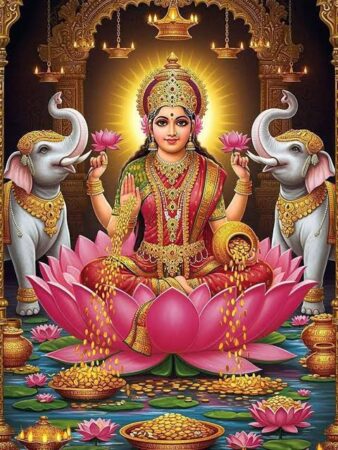
The kendras are the places of Viṣṇu, and the trikoṇas are the places of Lakṣmī.
Through the association of their lords, the previously described Rājayoga is formed.
pārijāte sthitau tau cen nṛpo lokānurakṣakaḥ |
uttame cottamo bhūpo gajavājirathādimān || 29 ||
If both lords occupy the Pārijāta-aṁśa, the native becomes a ruler who protects the people.
If they occupy the Uttama-aṁśa, the native becomes an excellent king possessing elephants, horses, chariots, and other royal resources.
gopure nṛpaśārdūlaḥ pūjitāṅghrir nṛpair bhavet |
siṁhāsane cakravartī sarvabhūmiprapālakaḥ || 30 ||
If both lords occupy the Gopura-aṁśa, the native becomes an exceptional ruler whose feet are honored by other kings. In the Siṁhāsana-aṁśa, the native becomes a Cakravartī, a universal sovereign who protects and governs the entire earth.
asmin yoge hariścandro manuś caivottamas tathā |
balir vaiśvānaro jātas tathānye cakravartinaḥ || 31 ||
Through this yoga were born great universal rulers such as Hariścandra, Manu, Bali, Vaiśvānara, and other Cakravartīs.
vartamānayuge jātas tathā rājā yudhiṣṭhiraḥ |
bhavitā śālivāhādyas tathaiva dvijasattama || 32 ||
In the present age, King Yudhiṣṭhira was born with this yoga, and in the future, rulers such as Śālivāhana will also be born with it, O best of the twice-born.
pārāvatāṁśake ‘py evaṁ jātā manvādayas tathā |
viṣṇoḥ sarve ‘vatārāś ca jāyante devalokake || 33 ||
In the Pārāvata-aṁśa, great beings such as the Manus are born.
In the Devaloka-aṁśa, all the avatāras of Viṣṇu take birth.
brahmalokake tu brahmādyā jāyante viśvapālakāḥ |
airāvatāṁśake jātaḥ pūrvaṁ svāyaṁbhuvo manuḥ || 34 ||
In the Brahmaloka-aṁśa, beings such as Brahmā, the protectors of the universe, are born.
In the Airāvata-aṁśa, Svāyaṁbhuva Manu was born in ancient times.